History of Jamnagar: How Nawanagar Was Founded in 1540
Jamnagar, historically known as Nawanagar, was founded in 1540 by Jam Rawal on the banks of the Rangmati and Nagmati rivers. Here is the verified civic history behind Gujarat’s coastal city.
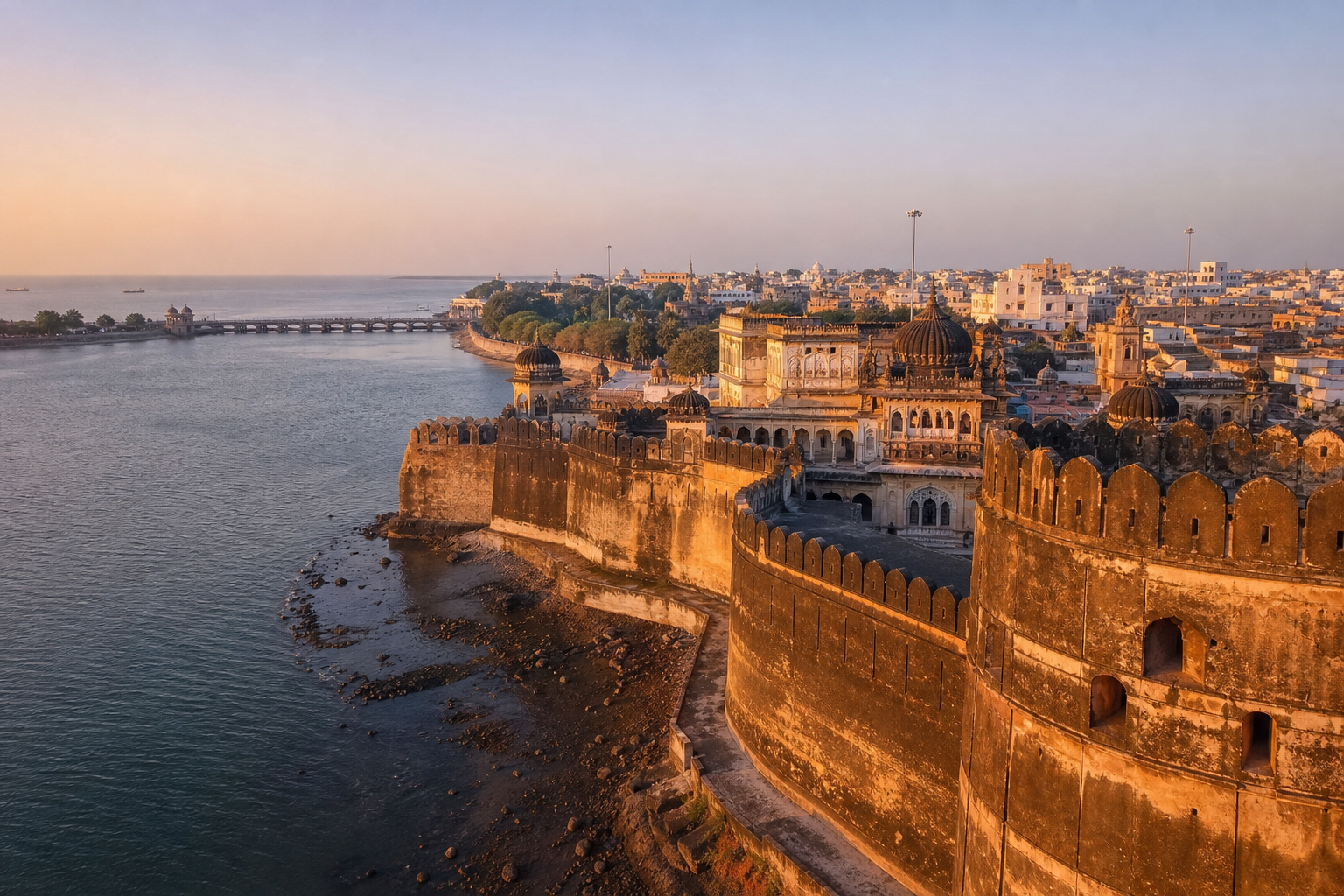
Jamnagar, in Gujarat’s Saurashtra region, is widely remembered today as India’s Brass City. Long before that industrial identity, it was a princely capital. According to the official District Administration of Jamnagar, the city was founded in 1540 A.D. as the capital of the princely state of Nawanagar.
What “Nawanagar” and “Jamnagar” mean
Historically, the settlement was known as Nawanagar — literally “the new town.” Over time it became known as Jamnagar, meaning the town of the Jams (the Jadeja rulers of the region). Official district history notes that Nawanagar was one of the most important Jadeja princely states in Saurashtra.
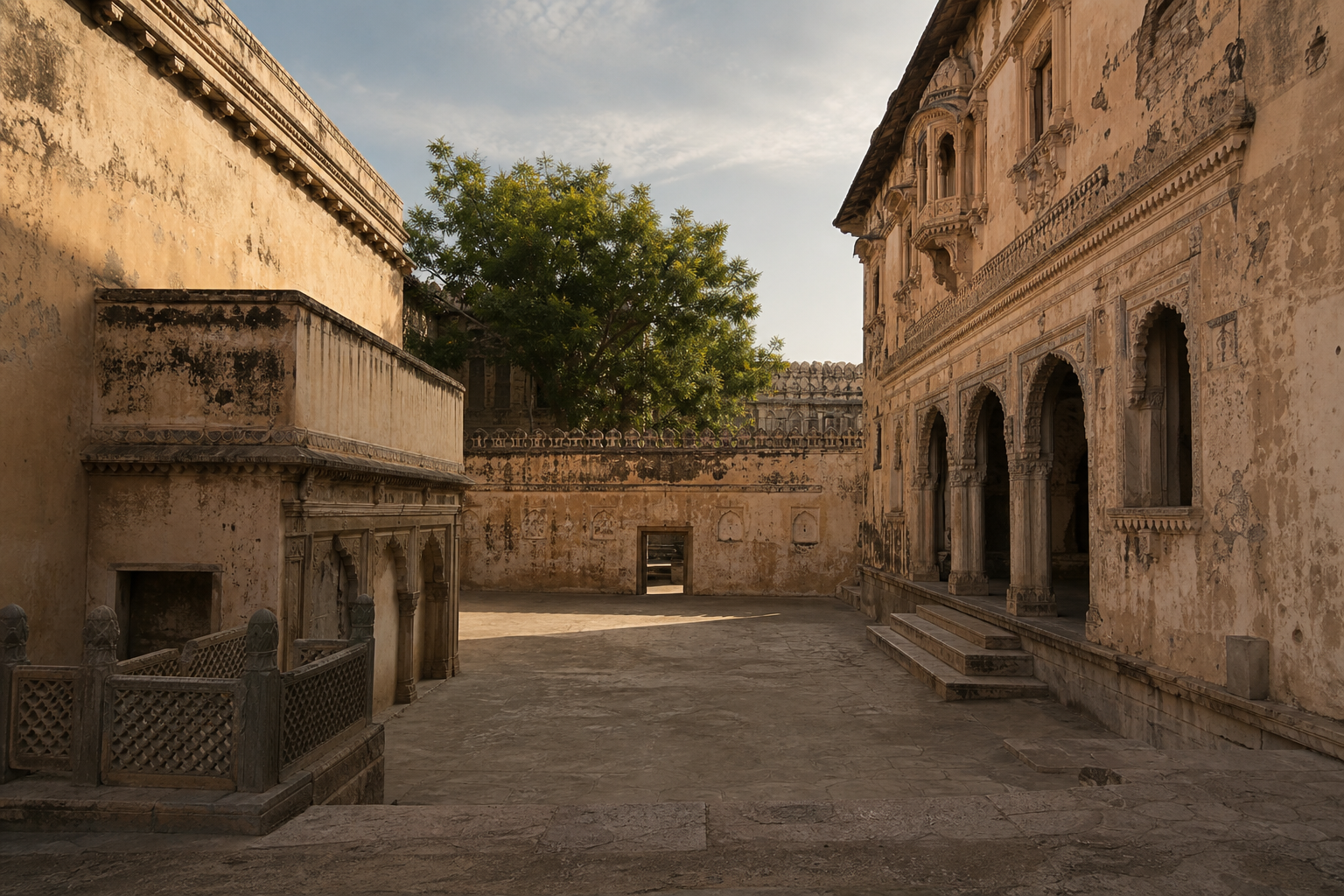
The foundation story recorded in civic history
District records preserve a well-known founding narrative linked to Jam Rawal. While hunting in the area of present-day Jamnagar, he is said to have been impressed by the courage of a hare that turned on hunting dogs. Interpreting this as a sign of the land’s strength, he chose the place for his capital.
On the 7th day of the bright half of the month of Shravan, Vikram Samvat 1596 (corresponding to August 1540 A.D.), he laid the foundation of the new capital on the banks of two rivers: the Rangmati and the Nagmati.
Key historical facts at a glance
| Fact | Verified detail | Source basis |
|---|---|---|
| Foundation year | 1540 A.D. | District Jamnagar (Government of Gujarat) |
| Founder | Jam Rawal | Official district history / standard references |
| Historic name | Nawanagar (“new town”) | Official district history |
| Modern name sense | Jamnagar (“town of the Jams”) | Official district history |
| River setting | Rangmati and Nagmati | Official district history; local civic references |
| Region | Saurashtra, Gujarat | Standard geographic / historical references |
Why the location mattered
Local historical material associated with the Navanagar foundation also notes earlier coastal activity around the older Nagnah / Nagnes port area. Civic references from the Jamnagar Area Development Authority (JADA) likewise connect the city’s present location with Jam Rawal’s 16th-century foundation near that coastal setting, with Darbargadh remembered as part of the early urban core.
In practical terms, Jamnagar’s coastal Saurashtra position later supported trade and industrial logistics — one reason the city could expand from a princely capital into a major manufacturing centre in the 20th century.
From princely capital to industrial city
Nawanagar remained an important princely state into the British period. After India’s independence and the reorganisation of states, Jamnagar developed as a district headquarters city in Gujarat. Its later reputation as a brass manufacturing hub belongs to the mid-20th century and after — a separate chapter from the 1540 foundation, but part of the same long urban story.
Why this history matters to buyers today
For industrial buyers, Jamnagar is not only a pin on a map. It is a city with continuous settlement and administration for nearly five centuries, and a local manufacturing culture that matured around metalworking and small-scale engineering. Understanding that background helps explain why brass component supply became so deeply rooted here.
Sources used for this article
- District Jamnagar, Government of Gujarat — official History page (foundation of Nawanagar in 1540 by Jam Rawal; Rangmati & Nagmati setting).
- Jamnagar Area Development Authority (JADA) — civic notes on foundation near the erstwhile Nagnah port and early Darbargadh core.
- Standard encyclopaedic summaries of Nawanagar / Jamnagar for princely-state context.
ADMIN REQUIRED: blog title, excerpt, tags, featured image, inline images, SEO fields and HTML body must be fully editable from the admin panel.