Why Jamnagar Is Called the Brass City of India
Jamnagar earned the Brass City name through a dense cluster of brass workshops and component makers. Here is what reliable civic and industry references actually say — without marketing exaggeration.
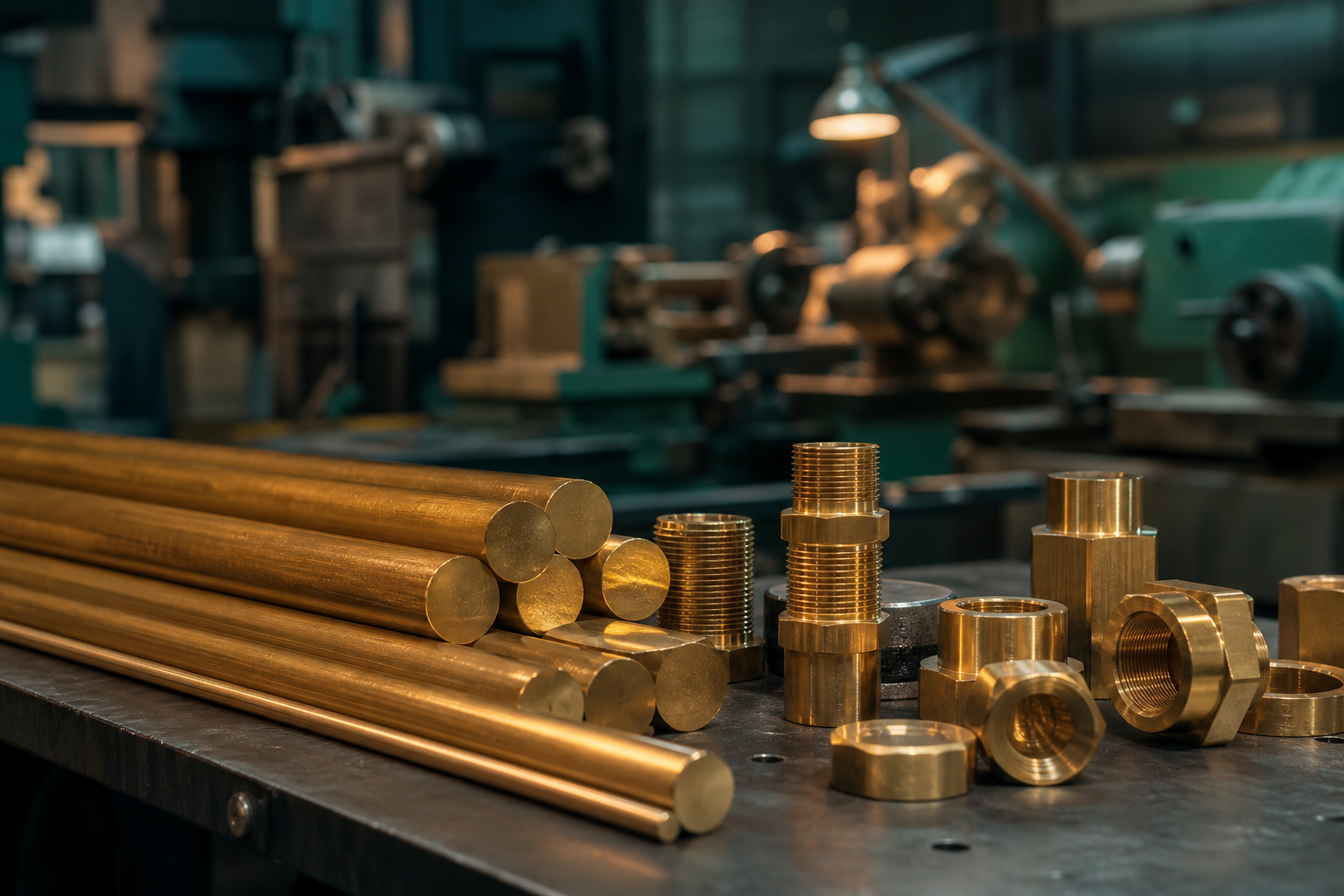
Ask almost any Indian industrial buyer where brass parts are made at scale, and Jamnagar usually enters the conversation. The city is commonly called the Brass City of India because it hosts a large concentration of brass component workshops and related units.
What “Brass City” actually refers to
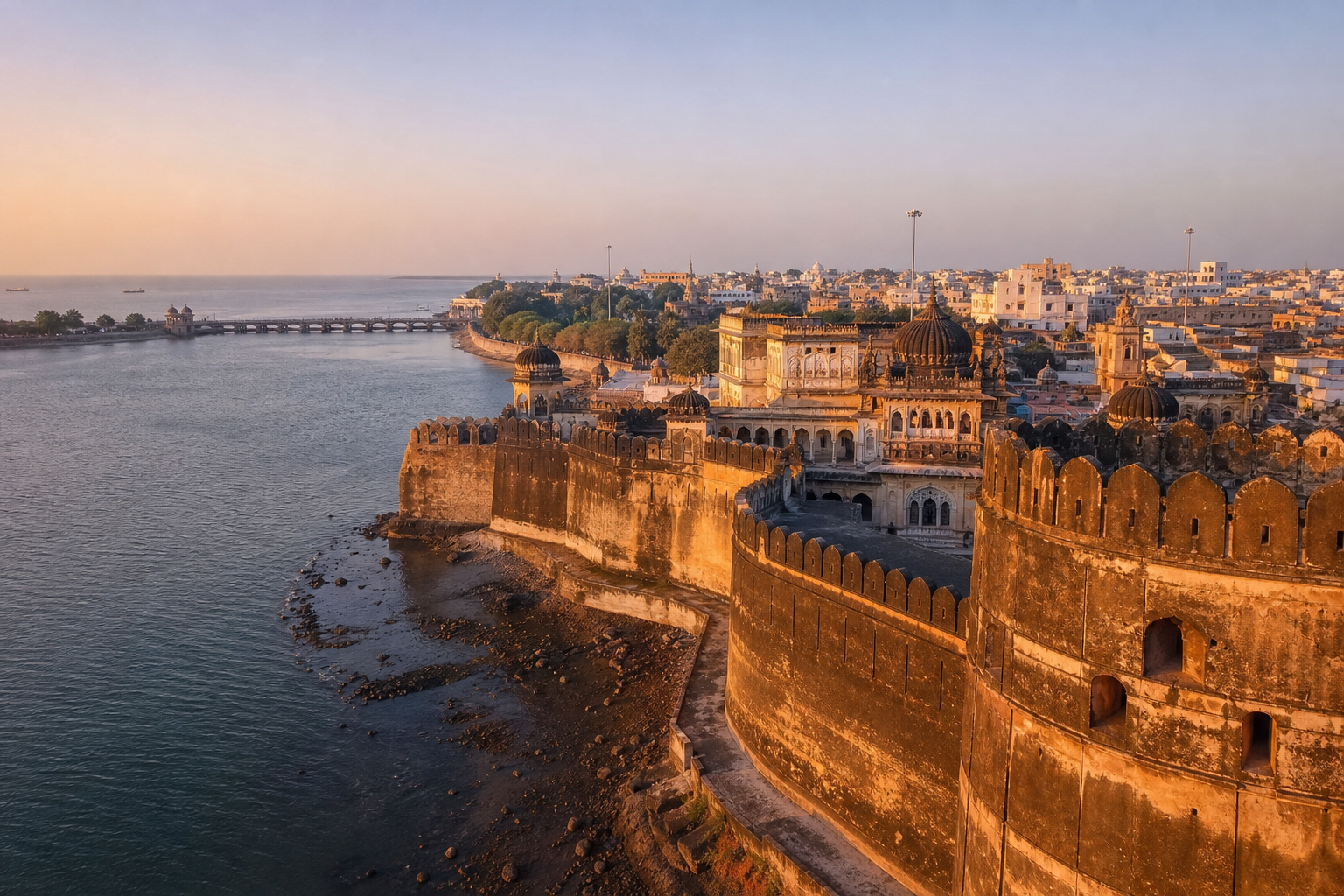
The nickname is industrial, not ceremonial. Wikipedia’s city summary states that Jamnagar was formerly known as the Brass City because it houses more than 5,000 large-scale and 10,000 small-scale workshops manufacturing brass items, especially around industrial estates such as Shankar Tekri, GIDC areas, M. P. Shah Udyognagar and Dared.
Local civic material from the Jamnagar Area Development Authority (JADA) similarly describes Jamnagar as a brass city / “mini Japan” because of extensive brass-part development, estimating about 5,000 units and roughly 40,000 persons in direct employment, with additional indirect livelihoods.
When the modern brass-parts industry took shape
JADA’s civic account says it is not exactly known when brass-part industries began in Jamnagar, but it is understood that growth accelerated around 1944–45, associated with the decline of brass-button manufacture and a turn toward broader component making.
Industry association commentary reported in national media has also described brass-part work expanding from the late 1940s, including a transition after earlier plastic-related manufacturing declined with automation. These accounts agree on a mid-20th-century industrial takeoff, even when exact start years differ by a few years.
What the cluster makes
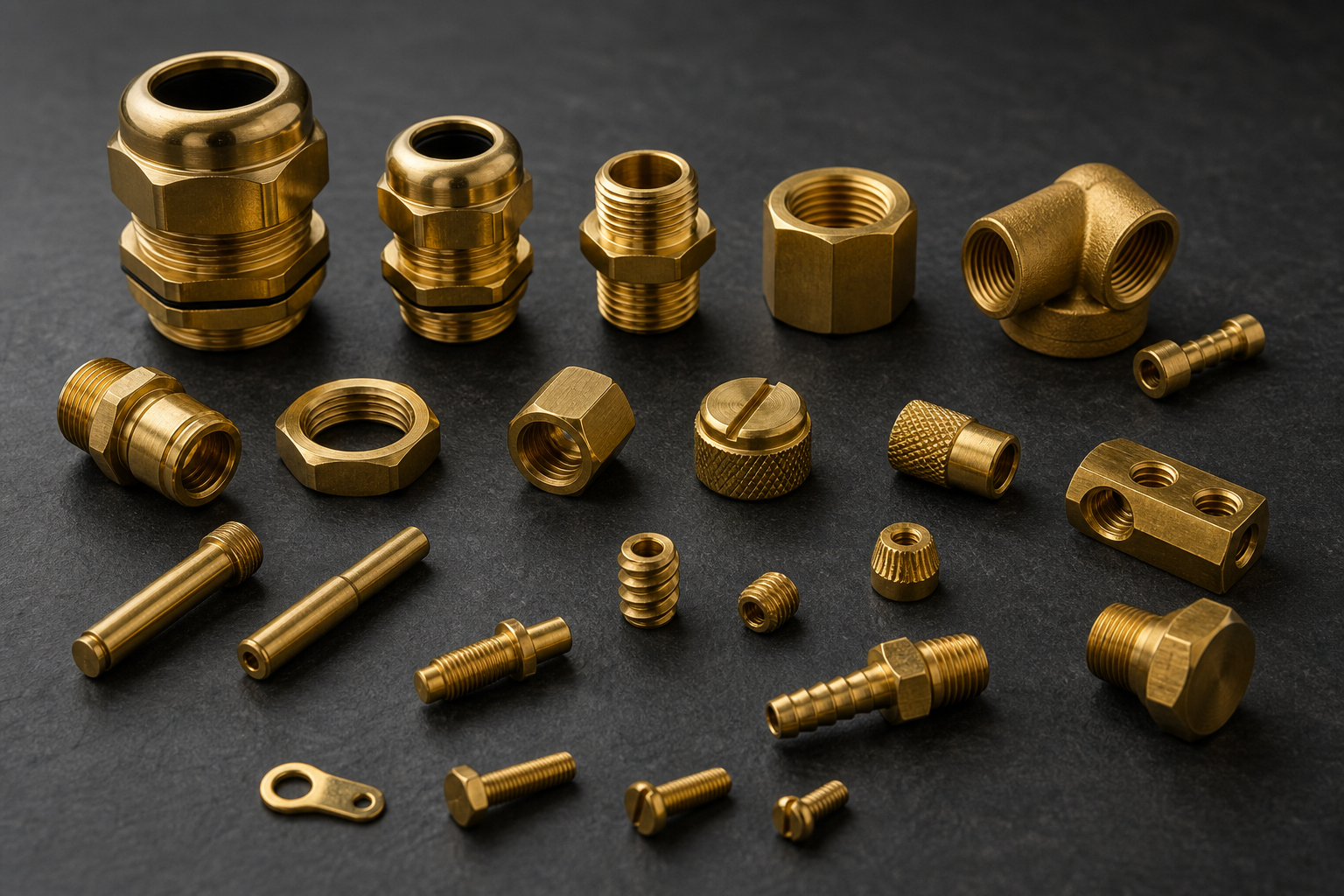
According to civic and encyclopaedic summaries, Jamnagar workshops produce a wide range of brass components used in everyday and industrial products — from fasteners and fittings to parts used in electrical goods, transport and other engineered assemblies. JADA notes manufactured weights ranging from very small parts to heavier components, and mentions related metalworking such as aluminium components in the same industrial ecosystem.
| Theme | What sources consistently support |
|---|---|
| Identity | Jamnagar is widely known as India’s Brass City / major brass-parts hub |
| Scale | Thousands of workshops and units (exact counts differ by source) |
| Geography of work | Concentrated industrial estates and workshop clusters inside/around the city |
| Product character | Broad mix of small-to-medium brass components for many end uses |
| Modern takeoff | Mid-1940s to late-1940s industrial expansion is repeatedly cited |
Raw material and recycling context
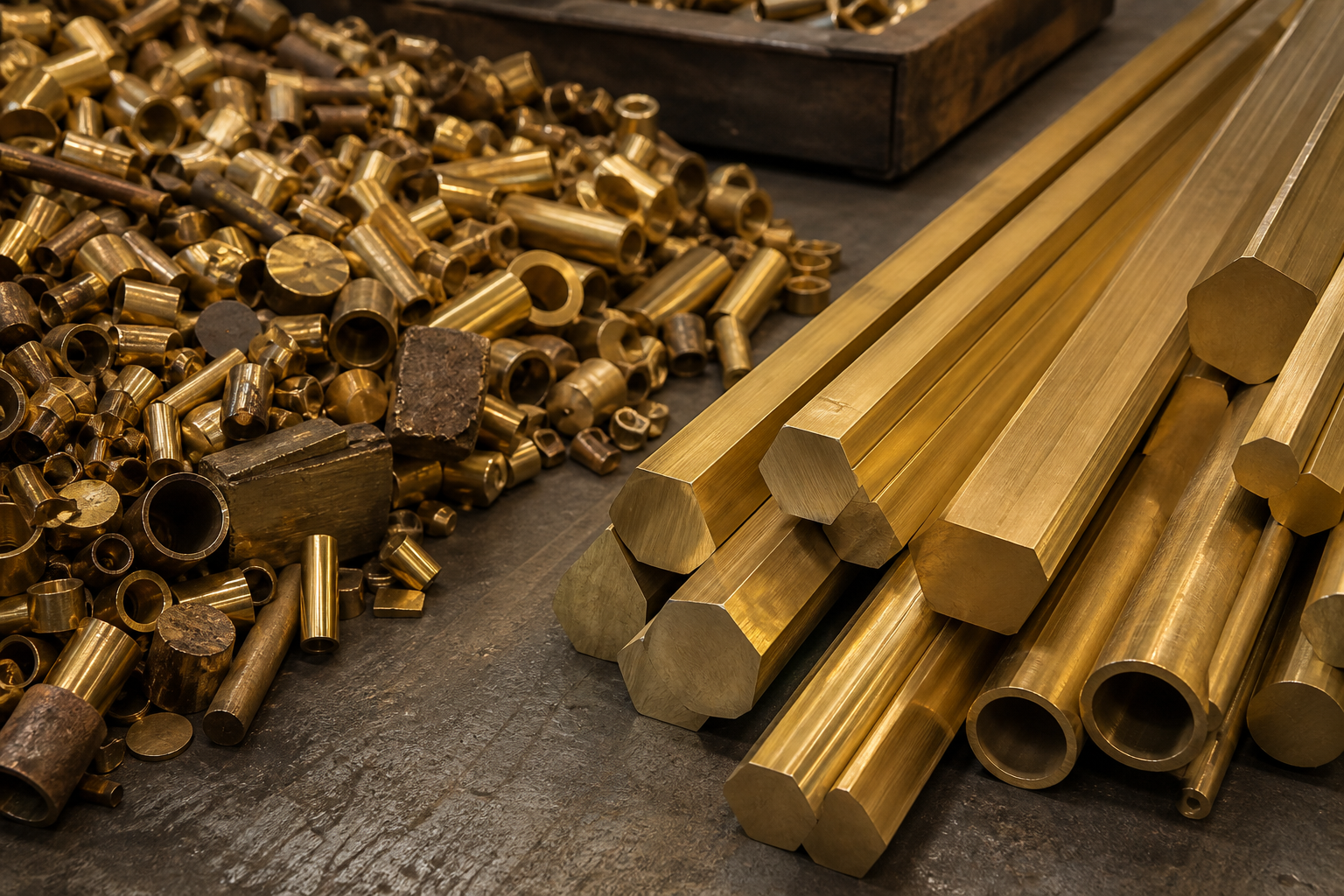
Academic and industry discussions of the Jamnagar brass cluster frequently note dependence on brass scrap as a major raw-material input, including imported scrap alongside domestic scrap streams. This recycling-oriented feedstock model is one reason the cluster can support high component variety for domestic and export markets.
Why the nickname still matters for B2B sourcing
For purchasing teams, “Brass City” is shorthand for a mature supplier ecosystem: tooling familiarity, process knowledge in turning/forging/extrusion-related work, and a deep bench of MSME capacity. It does not automatically mean every workshop makes every part — specification, grade, finish and quantity still decide the right quotation.
Sources used for this article
- Wikipedia summary of Jamnagar (workshop scale and industrial estate geography; cross-check against primary local sources where possible).
- Jamnagar Area Development Authority (JADA) civic notes on brass-city identity, approximate unit/employment figures, and mid-1940s industry timing.
- National media interview material with Jamnagar Factory Owners Association representatives for mid-century industry narrative (treated as industry testimony, not a government census).
ADMIN REQUIRED: blog title, excerpt, tags, featured image, inline images, SEO fields and HTML body must be fully editable from the admin panel.