Brass Rods & Bars Supplier in Jamnagar: Grades and Cutting
How to buy brass rods, bars and related billet feedstock from Jamnagar — diameters, grades, straightness expectations, cutting lengths and quotation fields for machining shops.
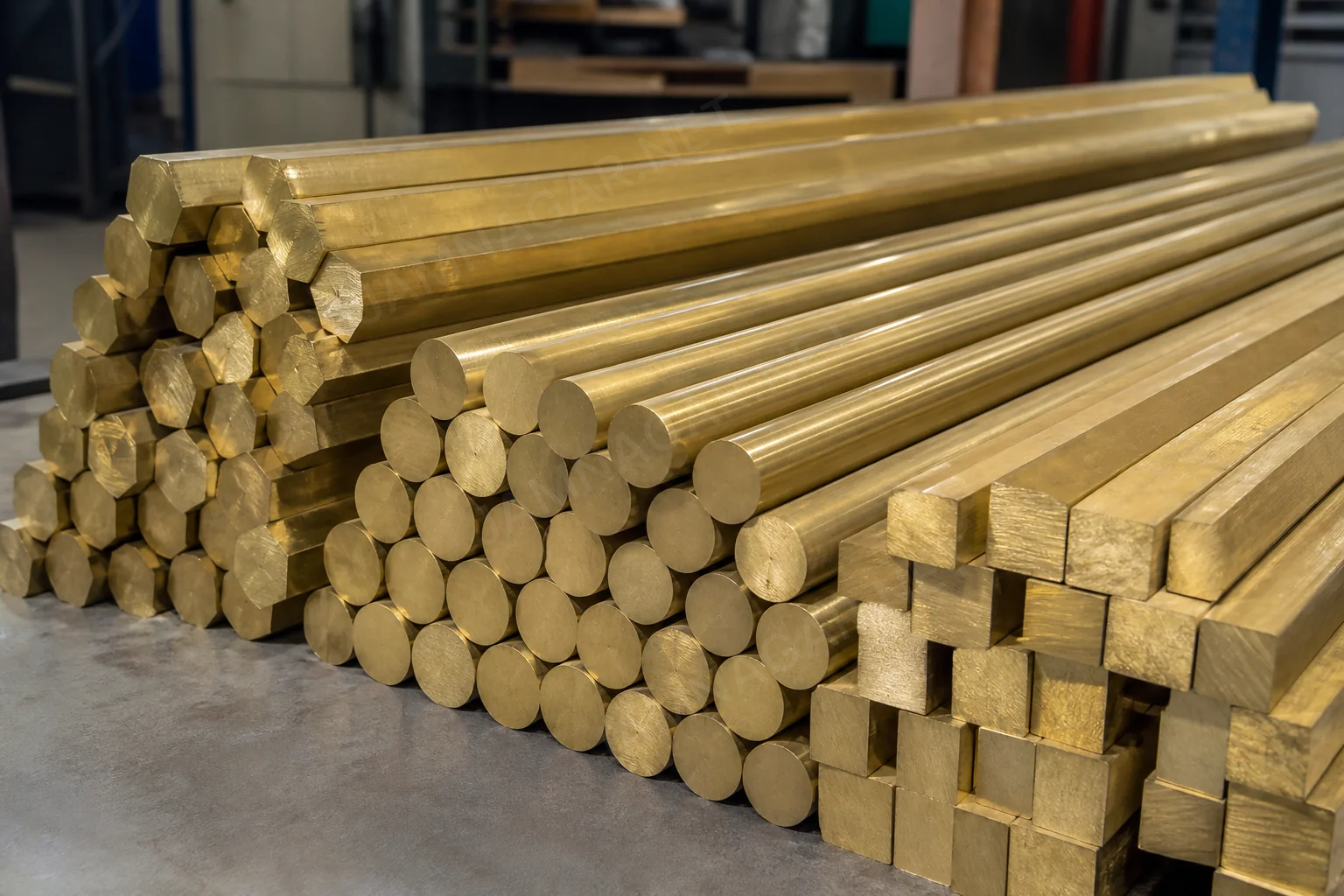
Machine shops do not buy “some brass.” They buy diameter, grade, temper behaviour and a length that fits the bar feeder. If you need a brass rods and bars supplier Jamnagar buyers can work with, this page covers the feedstock questions that belong on the quotation request before turning starts.
Catalogue orientation lives under extruded rods. Use that category for product context, then send sizes and alloy needs on the quote form. Finished component drawings help when you are unsure which blank diameter to pick — guessing from weight alone is weak.
- Diameter / section clarity in mm or inch — pick one system and stick to it
- Grade named the same way on PO and drawing
- Length and cutting rules for bar feeders or forge prep
- Weight-based or piece-based ordering language stated upfront
Rod, bar and billet — use the words your process needs
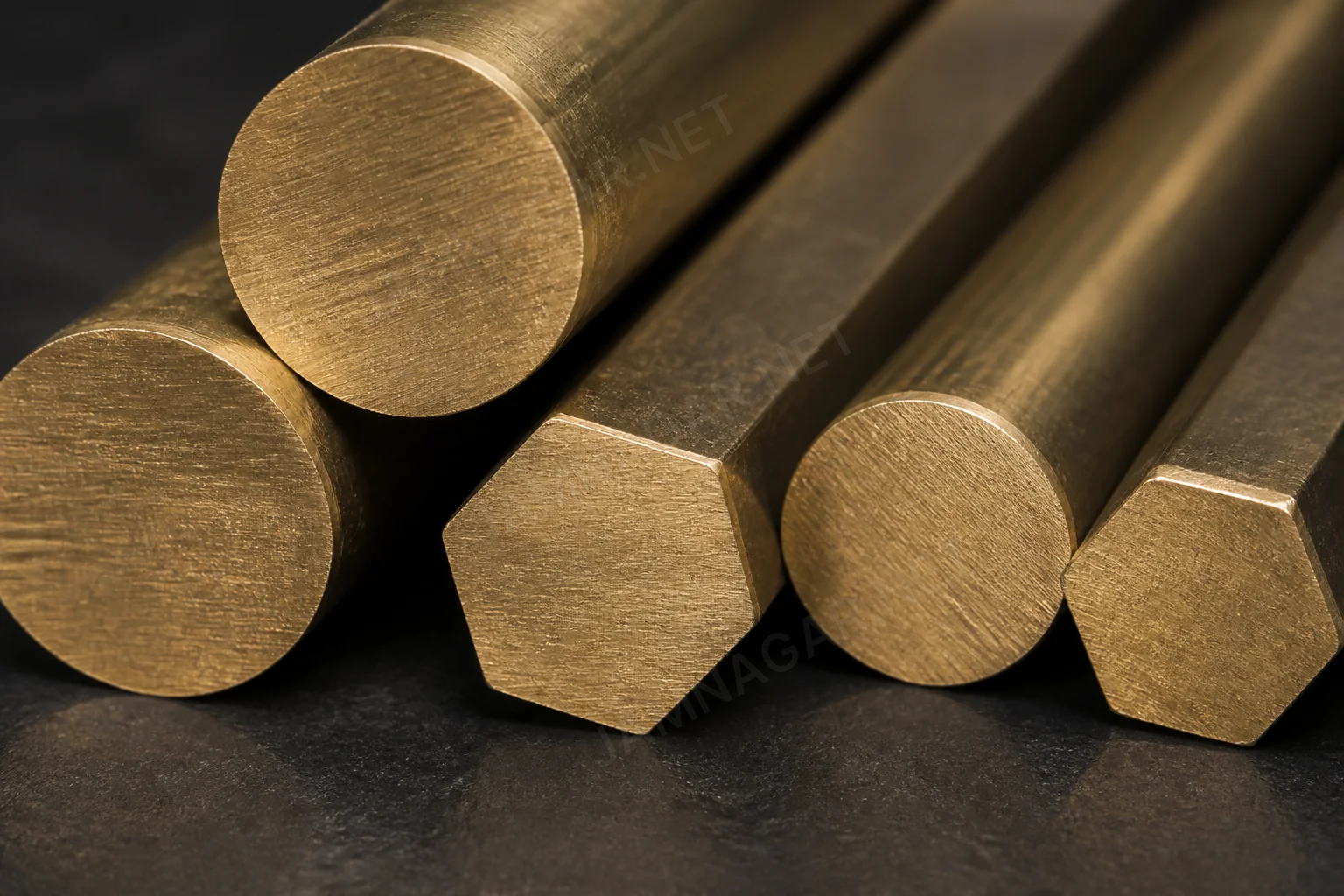
In day-to-day trade, people say “rod” for round extruded stock headed to auto lathes and CNC. “Bar” may mean round or other sections depending on the shop. “Billet” usually points to thicker stock for forging or heavy sawing. On the quotation request, add the section shape and the next process (turning / forging / sawing) so nobody ships the wrong form.
If your forge shop cuts slugs from larger section and your CNC shop feeds round rod, keep those as separate lines even when both are “brass stock.” Different processes create different remnant and straightness expectations.
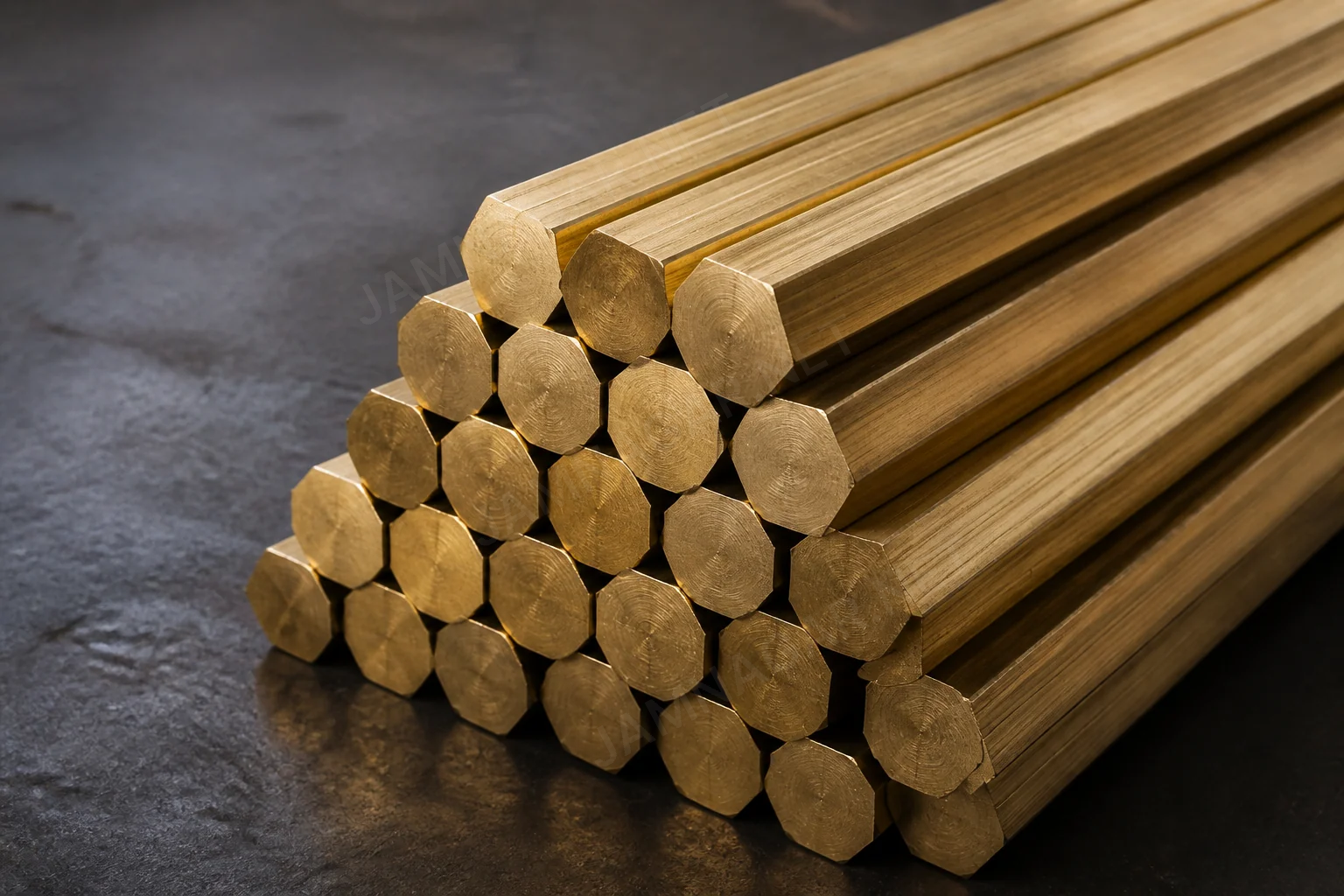
What machining buyers usually specify
| Parameter | Why it matters | quotation example |
|---|---|---|
| Diameter / A/F | Collet and feeder fit | 12 mm round |
| Grade | Chip break, tool life, duty | Free-cutting brass grade as required |
| Length | Bar feeder capacity, scrap ends | 3 m random / cut-to-length |
| Straightness / ovality notes | High-speed turning stability | State if tighter than commercial |
| Quantity | Bundle weight and despatch | 500 kg or 200 bars |
| End use note | Catch wrong temper assumptions | CNC turning / hot forging |
Grades without mythology
Free-cutting machining brass is the everyday feedstock for high-volume turned parts. If your customer print calls a specific designation, copy it onto the quotation request. Do not substitute a “similar” grade in silence when the print is tight on chemistry.
When conductivity, corrosion or regulatory chemistry matters, say so in plain language alongside the grade name. Stores staff and melting/extrusion planning read different documents — your job is to keep those documents aligned.
Shop-floor note: Bar weight on the invoice and pieces on the shop floor must reconcile. If you order by kilogram but cut fixed lengths, tell us the preferred cut length and usable remnant rule so bundling matches your stores process.
Cutting, bundling and packing
Stock may ship as mill lengths, commercial randoms, or cut pieces for forge or CNC. Export bundles need different strapping and label data than a local tempo delivery. Write destination and whether you need heat/lot identity on tags when your quality system asks for it.
- Mill / commercial lengths for general stores
- Cut-to-length for forge slugs or short CNC bars
- Bundle labelling with size, grade and weight
If multiple diameters share a truck, insist on separated bundles with readable tags. Mixed anonymous piles create the most expensive “shortage” — the metal is there, but nobody trusts the tag.
Feedstock quotation checklist
| Field | Include |
|---|---|
| Section | Round rod / other bar form |
| Size | Diameter or across-flats |
| Alloy / grade | As per your print |
| Length rule | Random / fixed cut / tolerance on length |
| Qty basis | Kg, pieces, or both |
| Next process | Turning, forging, sawing |
| Packing / tags | Domestic or export notes |
Linking feedstock buys to finished-part plans
Some buyers only need rod. Others need rod now and turned parts next quarter. If both are on the horizon, mention it. Blank diameter choices sometimes change when we see the finished print — a slightly larger rod can reduce chatter or leave machining stock where your toolpath needs it.
Who buys rods and bars here: CNC job shops, sanitary and valve manufacturers, fastener units, insert makers and general engineering workshops. Open extruded brass rods for category context, then quotation exact sizes.
Practical lead and quantity notes
Stable repeating diameters are easier to schedule than non-standard sizes ordered once. If you can share a forward cover plan (even approximate monthly kilos), say so — it helps planning without locking you into theatre forecasts. Cut-to-length adds saw time; include it only when your shop truly needs it.
When a new diameter enters your stores for the first time, order a verification bundle before you empty the previous size from the feeder. First-bundle checks for diameter, ovality and label accuracy cost less than a Saturday toolroom recovery after a wrong blank run.
Stores habits that keep scrap down
Tag remnant lengths when you return partial bars to the rack. Untagged remnants become mystery stock that nobody trusts on tight jobs. If your quality system needs melt or lot identity, say so on the quotation request so tags are printed that way from the first bundle — retro-labelling mid-project is messy.
FAQ
Can I order mixed diameters on one quotation?
Yes. Separate lines per diameter and grade. Mixed anonymous bundles create stores errors.
Do you only supply round rod?
Round extruded rod is the common request. Other sections need explicit description on the quotation request.
How should export weight be written?
Give target kilograms plus size list, or piece count with nominal length. We confirm packing weight after size lock.
What if my CNC needs tighter diameter tolerance than commercial rod?
State the tolerance. Commercial rod and special drawn/turned blank needs are different quotes.
Can feedstock and finished parts be quoted together?
Yes as separate lines. Keep feedstock sizes distinct from finished part drawings.
Where do I start if I only know the finished part weight?
Send the finished drawing anyway. We can discuss blank diameter from that geometry; guessing from weight alone is weak.
Send sizes, then talk rate
Rod and bar supply is a specification product. Diameter, grade, length rule and quantity basis come first; price second. Put those on the quotation request and we can answer in commercial terms your stores team will recognise.
Related reading
Related reading on Jamnagar.net: alloy grade selection guide · CNC turned components from rod.


